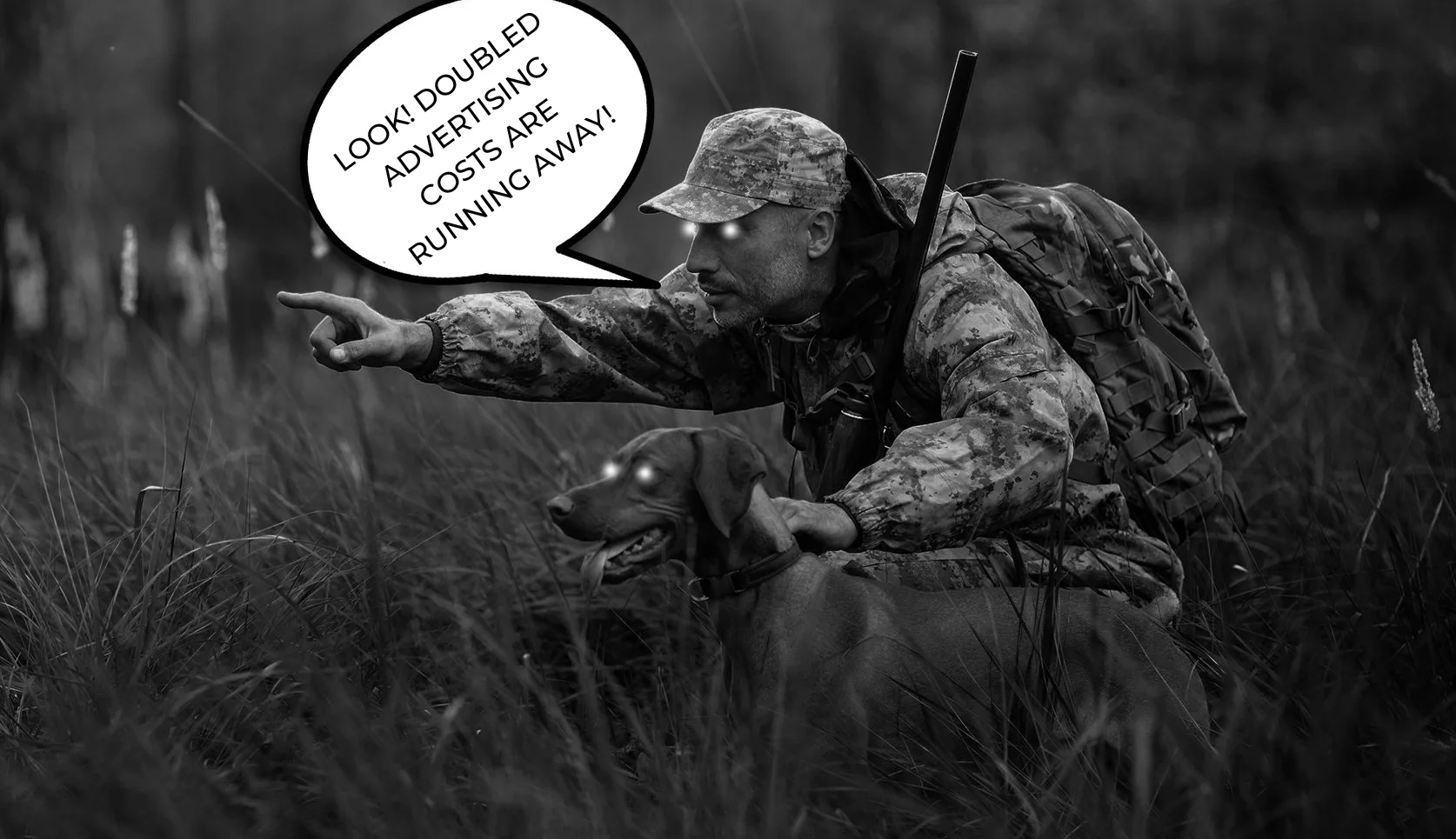
How three words and $15 helped sell a $70,000 Volkswagen
Our paid result was a booked test drive, not a sold car. Tying our compensation to the final sale would have made us responsible for somebody else’s part of the funnel.
ExploreWe'd rather earn from the result than invoice for the attempt.
DADS invests strategy, design, development and senior marketing expertise into businesses we believe in.
If our decisions work, we both win. If they don't, the cost of being wrong isn't yours alone.
When it works, we make money together.
Talk with DADSMost agencies have a wonderfully resilient business model: whether the campaign flies, limps or catches fire on the runway, the invoice survives.
Ours works differently.
We invest our own time, expertise and production into the project from day one — strategy, research, design, development and execution.
You start paying us properly when there is something worth paying for.
Advertising budgets, software and other direct third-party costs remain yours, naturally. Google Ads has shown little interest in joining our risk-sharing experiment.
Before we start, we agree on one thing: what a successful commercial result can cost and still make good business sense.
The difference is fairly simple.
A conventional agency is paid for doing the work.
DADS is paid for making the work commercially useful.
Neither model is magic. Ours simply makes it rather difficult for us to celebrate a beautifully completed campaign that failed to make anybody any money.
Our paid result was a booked test drive, not a sold car. Tying our compensation to the final sale would have made us responsible for somebody else’s part of the funnel.
ExploreThe best way to halve your acquisition cost is not always to find cheaper traffic. Sometimes it is to stop wasting the traffic you already paid for.
ExploreIf traffic was going to become scarcer, each visitor needed a much better chance of becoming a customer.
ExploreStrategy matters. Research matters. Spending two months preparing to ask the market a question it could answer next Friday interests us considerably less.
We use enough research to make a sensible bet, build the lightest credible version and put it in front of real people.
If it works, we invest further. If it doesn't, we change direction before everyone has commissioned matching stationery.
The first version needs to answer the next important question — not the next five years.
Our work is our investment.
You cover the external costs the project actually consumes: media, software, production and anything else that has to be bought from somebody who, regrettably, is not part of DADS.
We share the early risk — and the result.
There is no standard retainer.
Before we begin, we agree on the commercial result we're working toward and what our compensation looks like if we get there.
If our decisions produce very little value, we may earn nothing. We accept that risk deliberately.
If they produce a great result, our compensation grows with it.
That is what makes the model work for both sides: neither of us needs the other to lose in order to win.
The better the business does from the work we build together, the happier everybody should be when the numbers arrive.
Our model is not suitable for every business, simply because our time is the capital we're putting in.
Before we start, we need to understand whether there is a real opportunity, whether our work can materially affect it and whether the conditions exist to move quickly enough to test our ideas properly.
This is as useful for the client as it is for us. Sometimes the honest conclusion is that DADS is not the right tool for the job. Better to discover that before either side has invested six months proving it.
Shared responsibility works best with shared trust.
You know your product, customers and business better than we do when we arrive.
We bring a different set of eyes and the marketing, design and technical experience to turn that knowledge into something the market can respond to.
There will be disagreements. There should be.
The point is not to hand DADS the steering wheel and climb into the back seat. Nor is it to hire experienced people and then ask them to drive with the handbrake on.
We make the important decisions together, with enough trust on both sides to let expertise do its job.
If we share responsibility for the outcome, we should share enough influence to shape it.
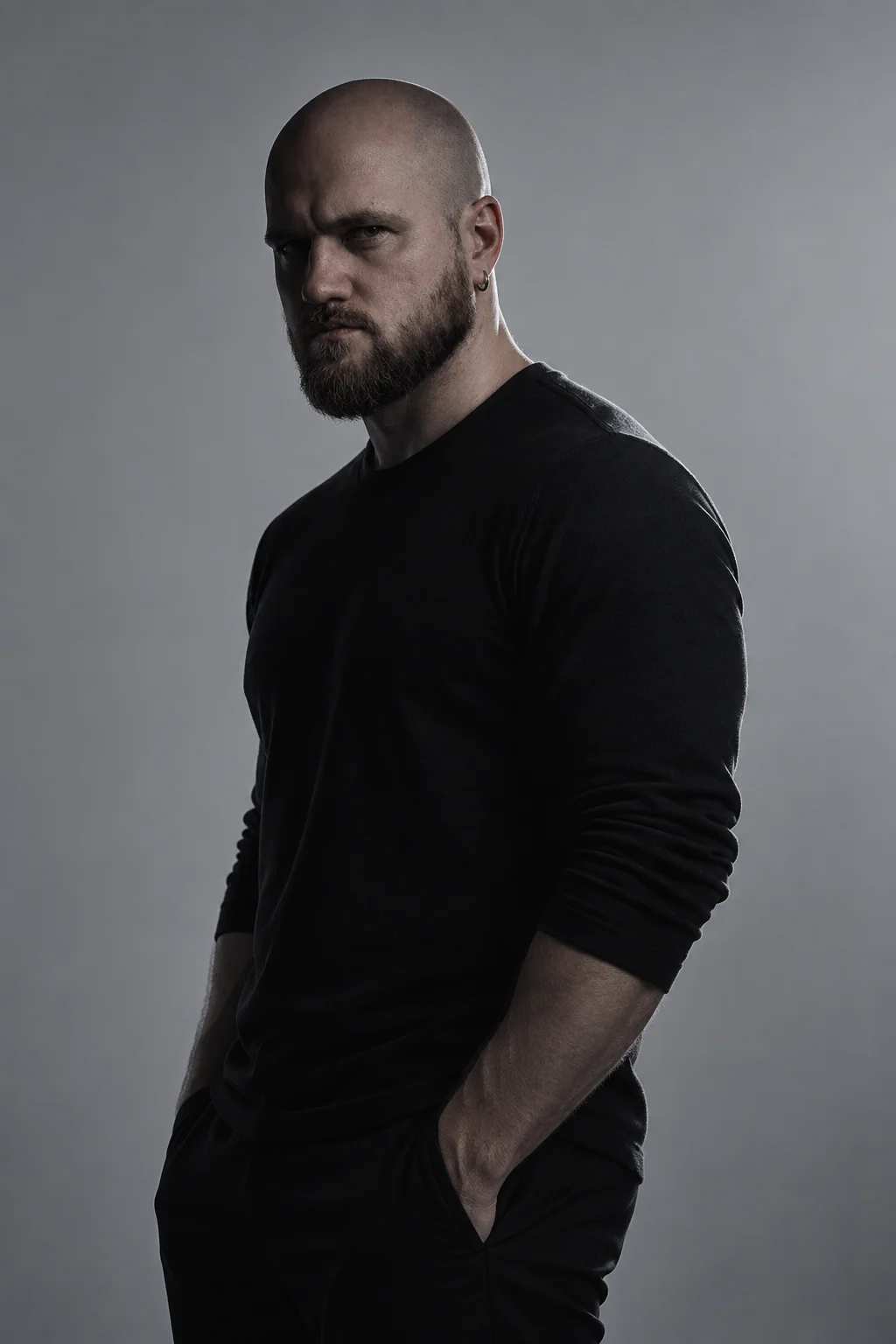
“Experience is useful mostly because it teaches you which twenty things not to waste time doing.”
11 years in marketing and management, including six years across the US, Canada and Europe.
Research, positioning, launches, acquisition, content and marketing leadership.
“There is a time for perfection. Usually after we’ve established that anybody actually wants the thing.”
Senior Western-market design experience, with a particular talent for reaching a strong working solution quickly.
Brand, product and marketing design.
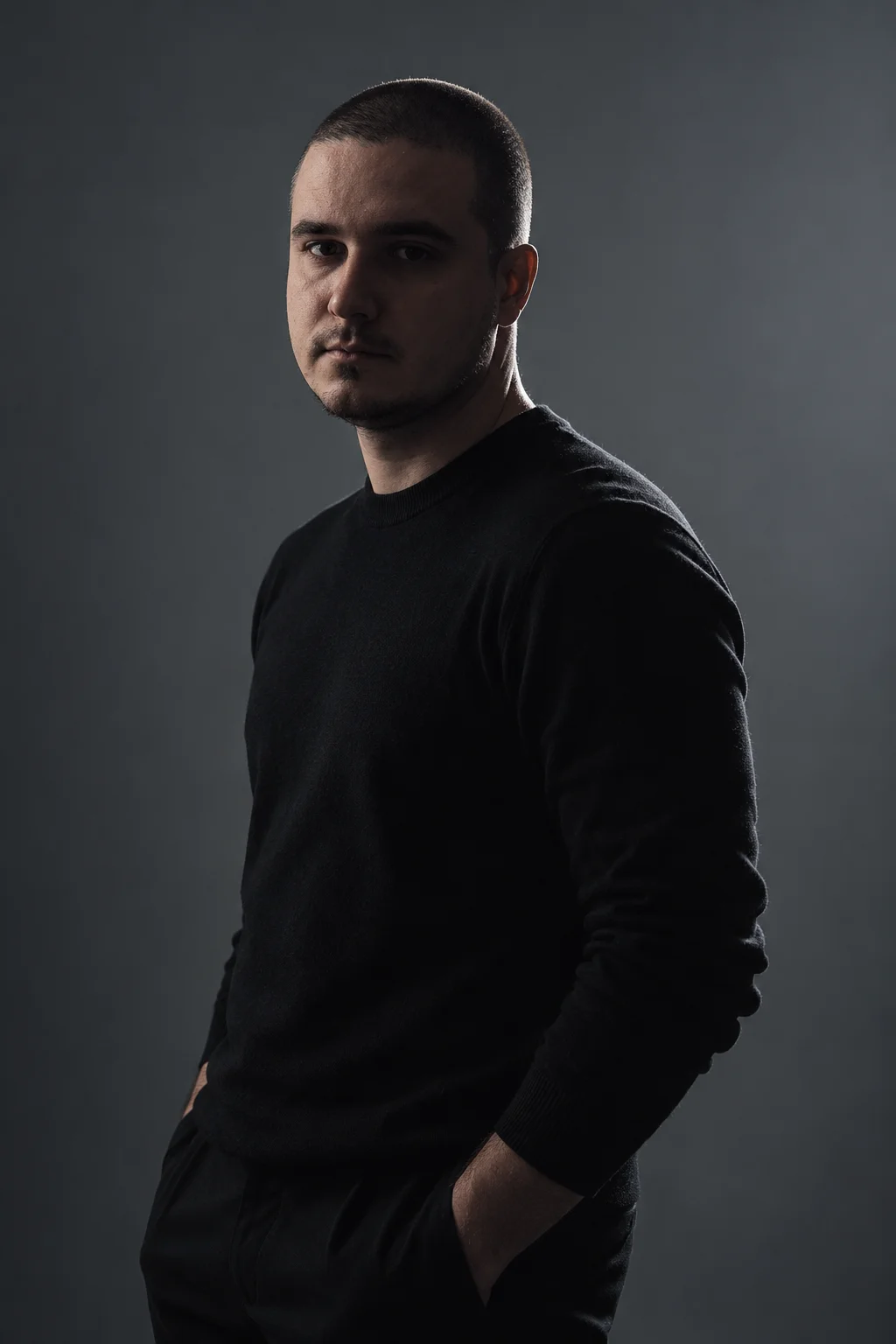
“Most marketing problems don’t need a technological moon landing. Some do. Knowing the difference is where a surprising amount of money disappears.”
Lead-level development experience across banks, major services and complex commercial products.
Web, product and integration engineering.
DADS bring a high level of professionalism to the work and pay attention to the details that usually get missed. They genuinely care about the client, and when deadlines get uncomfortable, they somehow find a way to make them work without sacrificing the quality of the result.
Yuliia KarabetskaMarketing Director, CRH UA
What I value most is that I don’t need to manage the process for them. If I need a video done properly, quickly and without spending my own time discussing fonts, scripts and every small decision, I know where to go. They don’t create “creative for the sake of creative”. The team thinks in marketing terms, so the work is not only good to look at — it is built to convert.
Anna HrabovenkoCEO, Soft Org
A very reliable team. They understand the task quickly, work out the right approach and can take the content all the way from brief to finished result without constant supervision. We’ve worked together for more than a year, and they have never let us down on either deadlines or quality.
Maria SorokaMarketing Specialist, Patlazshan Clinic
For our work, yes.
You still fund the things that cost actual money: advertising, software, production and other agreed third-party expenses.
Our strategy, design, development and working capacity go in first.
There really isn't a hidden one.
We accept more risk at the beginning because our compensation grows when the work creates real value.
You get a team with something meaningful riding on the outcome. We get the opportunity to earn more when we genuinely help the business move.
The incentives point in the same direction, which is rather the point.
Then we may have invested a considerable amount of time and earned very little.
We knew that when we made the bet.
We're confident, not clairvoyant.
No.
Anyone guaranteeing commercial results before understanding the product and market belongs either in a circus or a much more imaginative sales department.
What we can do is put experienced people on the problem and make our own compensation depend on the quality of the decisions we make together.
Potentially more than you would have paid a conventional agency.
And ideally you will be delighted to do so, because the amount only grows when the value created grows with it.
A good success model should make a larger invoice feel like good news to both sides.
Of course.
We are joining your business, not annexing it.
You should challenge our thinking and we should challenge yours. The model simply works best when both sides are prepared to change their minds when the evidence is better than the argument.
You absolutely can.
A conventional retainer makes perfect sense if you want to buy a defined amount of work for a defined amount of money.
We chose a different model because we prefer having our economics tied more closely to whether the work creates value.
Neither model is universally better. We know which one we'd rather work under.
Tell us what you're building and why you believe it should work.
We'll look at the opportunity, ask some questions and see whether we believe in the same outcome.
If we do, we'll put our own resources behind it.