STVOL: 57.5% more conversions in a market that had gone quiet
STVOL sold civilian firearms, hunting equipment and outdoor gear. This is not quite the same as selling watermelons from a market stall.



The audience is narrower, the products are expensive and considered, the market is seasonal, and customers generally know enough about the subject to detect marketing nonsense from a comfortable distance.
Then hunting season ended.
Traffic fell.
The usual response would have been to spend more money trying to replace the disappearing demand.
We decided to make the demand we still had considerably more valuable.
One important detail about the deal
Our compensation was tied to the agreed cost of acquiring a completed online customer.
Not hours, posts or how many people attended a meeting.
If customer acquisition worked inside the agreed economics, we made money.
If it didn't, we didn't.
Which has a rather useful effect on one's concentration.
A seasonal decline is hardly a surprise
A seasonal decline in civilian firearms sales is hardly a surprise.
Hunting seasons end. Demand softens. Store traffic follows it down.
What becomes expensive is panicking about something entirely predictable.
The tempting solution is to compensate for falling demand with heavier advertising.
This is approximately equivalent to discovering that your car is using too much fuel and solving the problem with a larger fuel tank.
We chose a different route.
If traffic was going to become scarcer, each visitor needed a much better chance of becoming a customer.
Initial situation — traffic heading into the low season.
First, we mapped the entire route to purchase
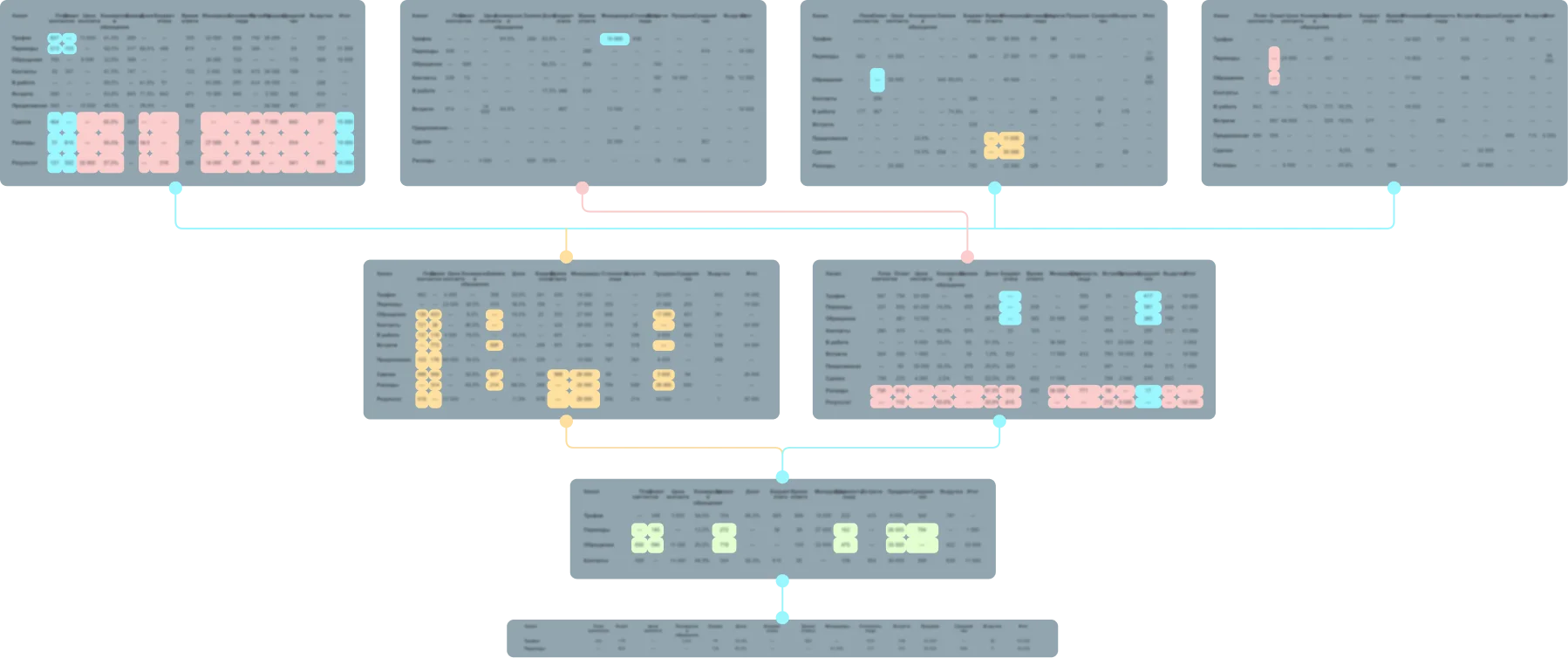
Before touching advertising, we built a complete lead model.
Not the decorative funnel diagram where somebody draws four colourful boxes and writes Awareness → Consideration → Purchase underneath them.
We mapped the actual customer journey from first contact to transaction, including the communication points, expected conversion between stages, promotion budget and the human resources available to handle demand.
The purpose was simple:
find where customers were being lost before paying to bring in more of them.
Because pouring more traffic into a leaking funnel merely produces a more expensive leak.
Then we stopped treating content as product photography
A great deal of the existing content answered one question:
“What does this thing look like?”
Useful.
But rarely sufficient.
We changed the content around a more interesting set of questions:
The difference sounds obvious.
It frequently isn't.
Instead of simply displaying products, the new creative showed them working in real situations and focused on practical benefits.
A headlamp stopped being a black object on a white background and became something that illuminated a landscape at night.
A knife stopped being a catalogue image and became something whose design and functions could actually be understood in use.
Products started behaving like products rather than evidence from a police locker.


Video gave people something worth reacting to
We applied the same idea to video.
Show the product.
Show what makes it useful.
Keep it visually good enough that nobody feels they are watching a hardware-store training film from 1997.
The result was fairly immediate.
Without paid promotion, our social video content generated roughly 200% more reactions than the page's average publications.
One video even received a reaction from the product's Swiss manufacturer through its official account.
A small thing.
But considerably more encouraging than another report explaining that “engagement remained within benchmark.”


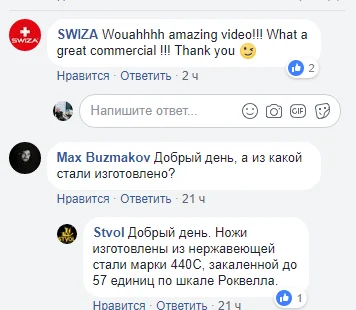
Product video — and the manufacturer’s reaction in the comments.
What happened during the low season
The useful part of this case is that traffic did not magically explode.
Quite the opposite.
That made it much easier to see whether the system itself had improved.
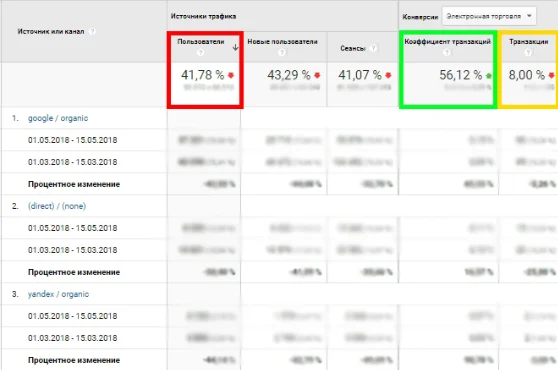
Traffic fell by almost 42% because of seasonality.
Yet conversion increased by 56%.
The number of transactions fell by only 8%.
In other words, nearly half the traffic disappeared and almost all of the sales survived.
That was the first sign that the machine had become considerably less wasteful.
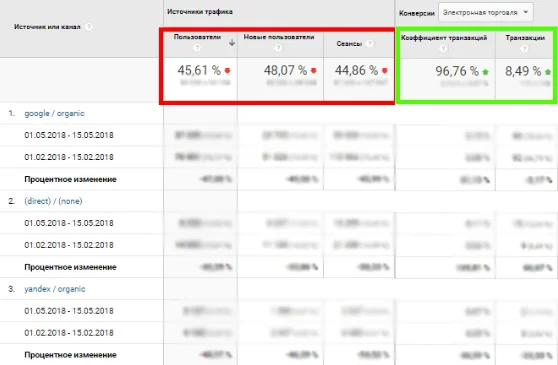
Traffic was roughly half its previous level.
Conversion had approximately doubled.
And the absolute number of transactions was now 8.5% higher.
Less traffic. More purchases.
This tends to be preferable to the reverse.
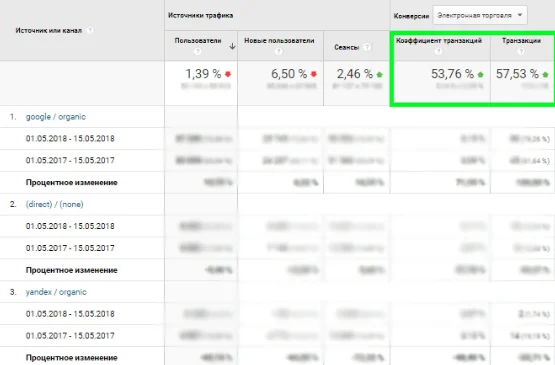
Traffic was roughly comparable.
Purchases were 57.5% higher.
The full commercial figures remain confidential under NDA, so we cannot decorate the page with giant revenue numbers.
Fortunately, percentages are quite capable of telling the story without assistance.